Looking for a place that still feels like a hometown while keeping you connected to Seattle’s job centers? In Snohomish, you get a historic riverfront, local shops, and tree‑lined streets without giving up access to Everett, Seattle, or Bellevue. If you want a slower pace, more space, and real character, this guide will help you decide if Snohomish fits your lifestyle. Here’s what to expect, from neighborhoods and commutes to parks, events, and buyer tips. Let’s dive in.
Why Snohomish feels different
Snohomish sits along the Snohomish River and blends a preserved downtown with nearby neighborhoods and rural acreage. The result is a small, historic city that feels close to nature and still connects to the wider Seattle–Bellevue–Everett metro. Downtown’s brick storefronts, antiques corridor, and cafés set the tone for a walkable core with a lot of local pride.
You see a mix of long‑time locals, commuters, small‑business owners, and people who chose Snohomish for space and character. Cultural life leans into community events, farmers markets, and local arts. If you enjoy boutique shopping, craft food and drink, and seasonal festivals, the rhythm of Snohomish will feel familiar fast.
Homes and neighborhoods
Snohomish offers a range of home styles and lot types, so you can match your priorities to the right setting.
Downtown historic core
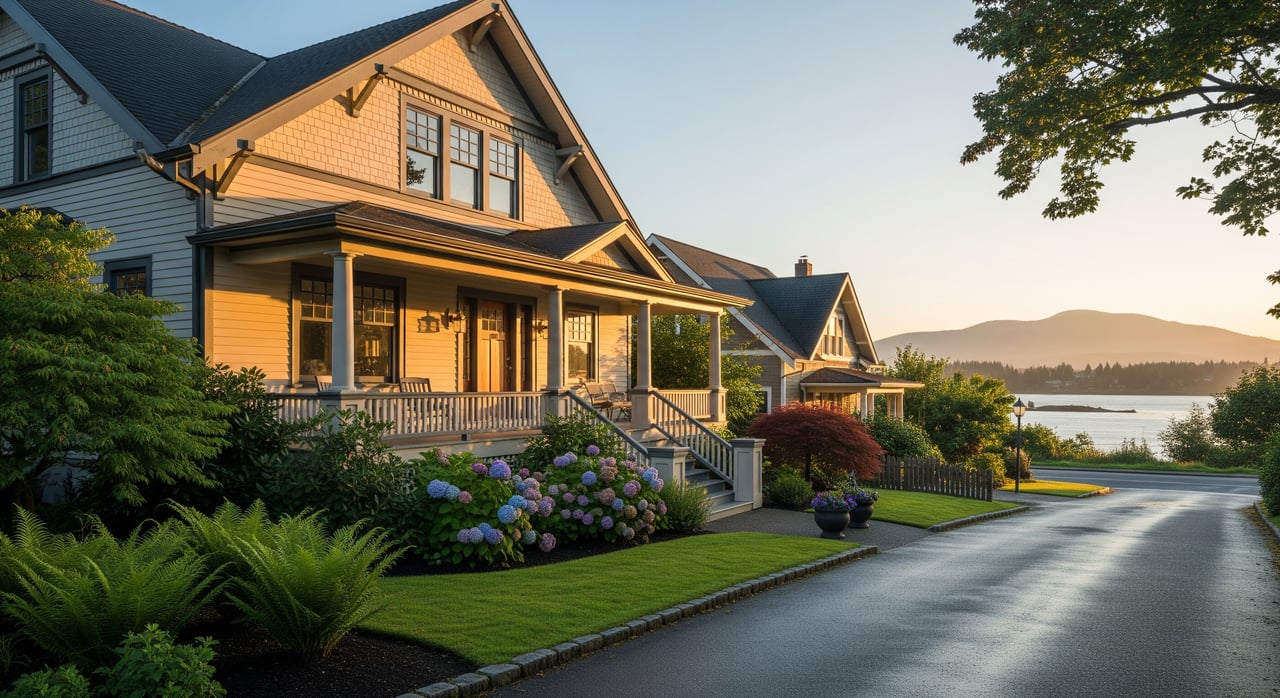
Close to the river and retail, you’ll find preserved Victorians, Craftsman bungalows, and early 20th‑century homes. Many have restored facades and period details. If you value character and a short stroll to restaurants and shops, this area delivers. Expect older layouts and systems that may have been updated over time.
Established residential streets
Beyond downtown, mature neighborhoods offer mid‑century ranch and split‑level homes. You get tree‑lined blocks, neighborhood parks, and a quieter feel. These areas appeal if you want a single‑family home with a yard and a practical floor plan.
Newer subdivisions and infill
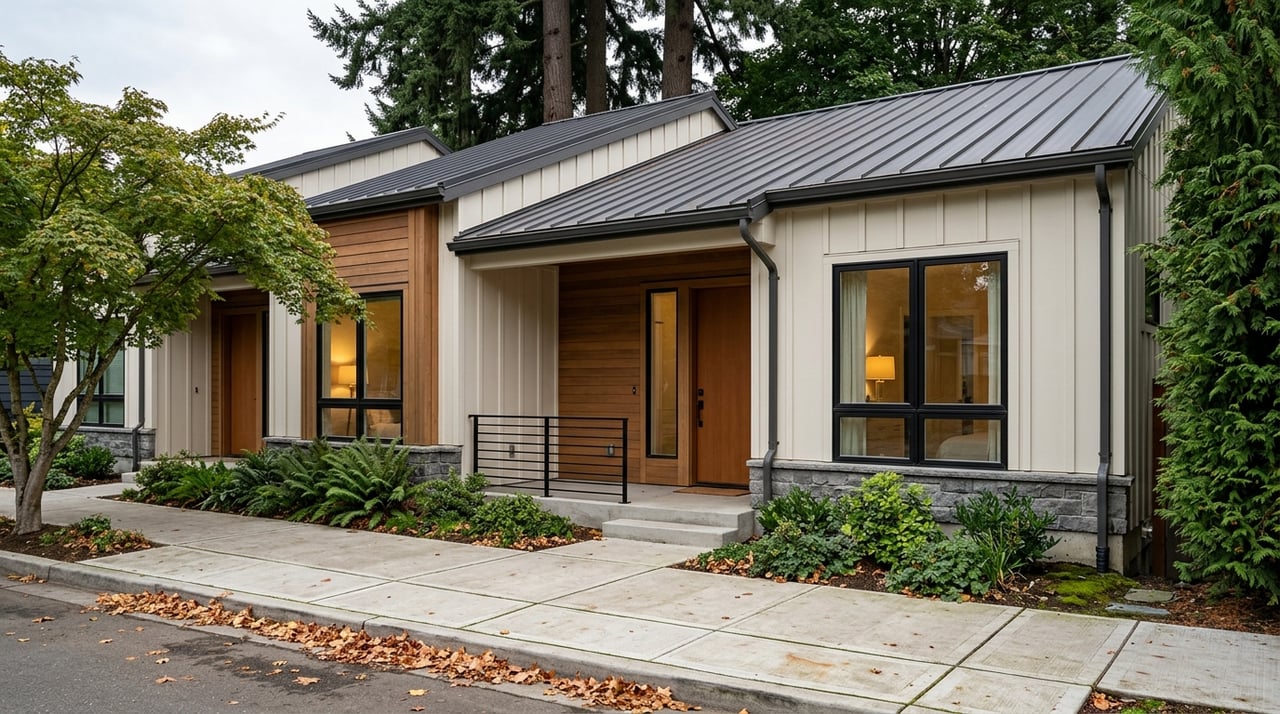
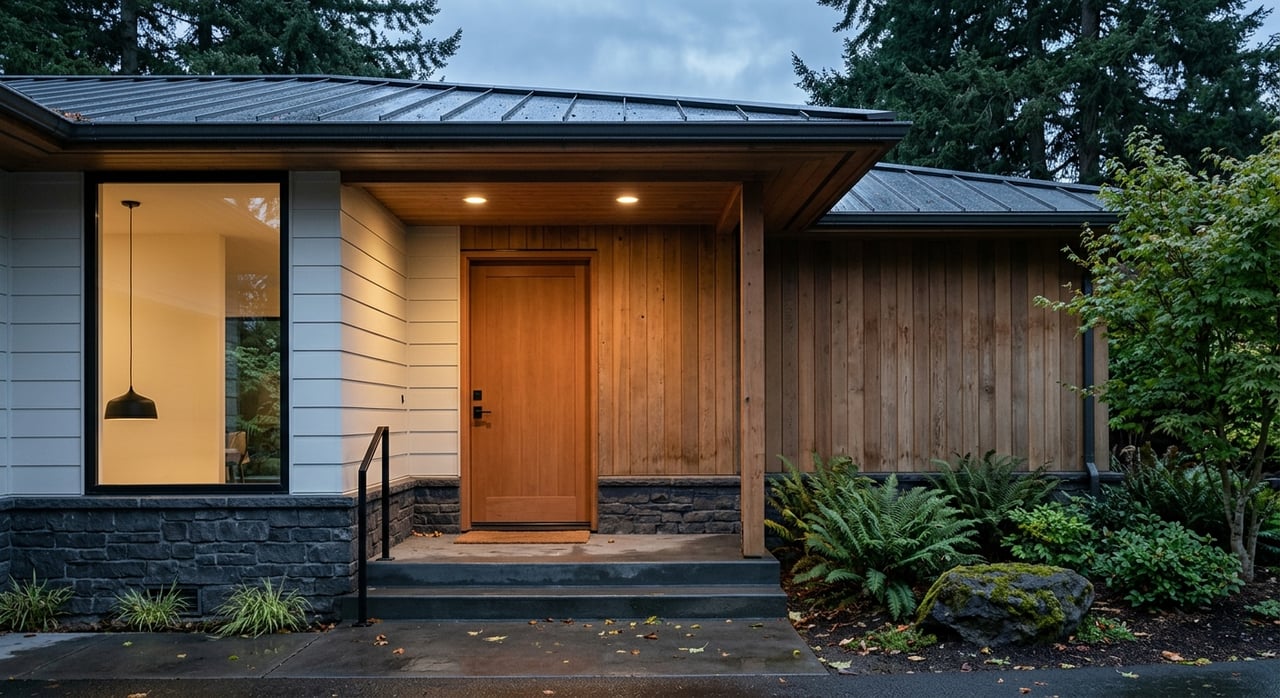
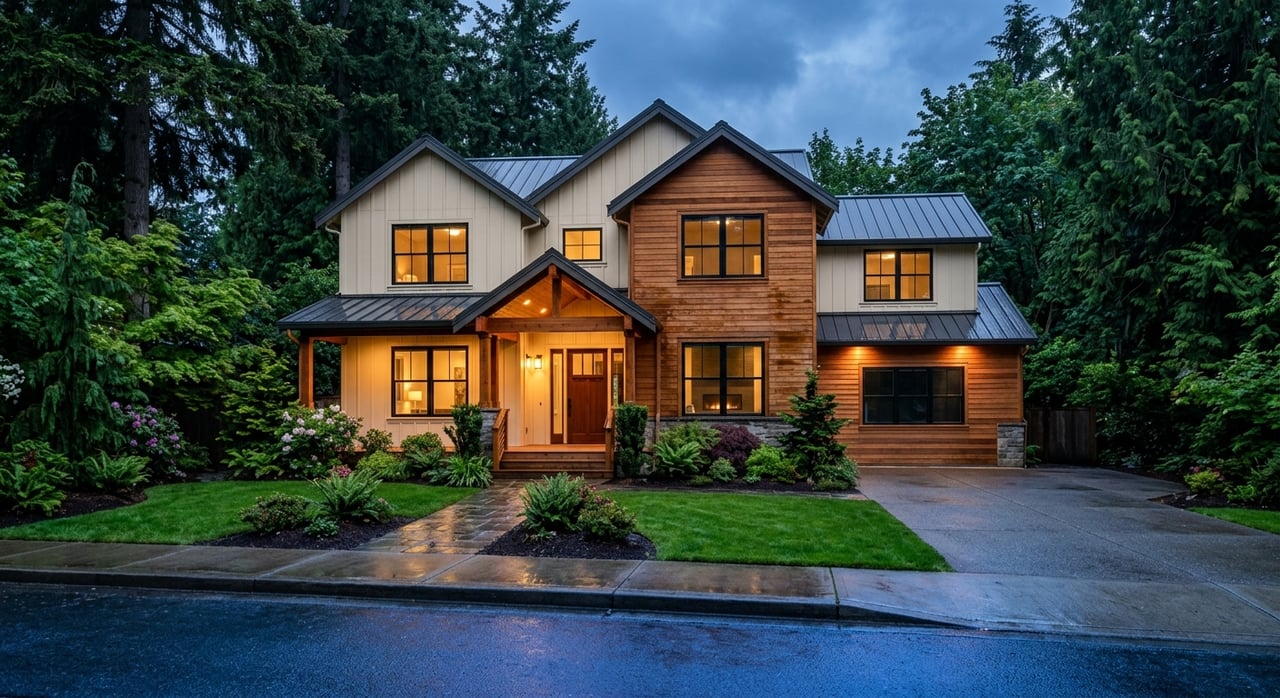
In the last couple of decades, Snohomish has seen new single‑family homes and townhomes. These planned neighborhoods often feature modern layouts, attached garages, and efficient systems. If you prefer low‑maintenance living and newer construction, this is where to look.
Rural and acreage options
Move beyond city limits and the landscape opens to larger lots, small farms, and homes with outbuildings. If you want privacy, storage, or space for hobbies, acreage can be a strong fit. Utility setups can differ in these areas, so plan for well and septic in many cases and review county rules for any future projects.
Daily life and amenities
Downtown is your go‑to for independent restaurants, coffee, antique shops, and galleries. Seasonal markets and community events bring people together throughout the year. For big‑box shopping and expanded services, nearby commercial corridors and Everett fill the gap.
Grocery needs are met by regional chains and local markets in and around the city. Primary and urgent healthcare providers are accessible in the region, with major hospital services located in Everett. Dental and specialty clinics operate in or near city limits.
Schools and education
Public schools are served by the Snohomish School District, including neighborhood elementary and middle schools and Snohomish High School. Boundaries and programs can change over time, so confirm current information directly with the district. You can also find private and parochial options in the broader region.
Getting around and commutes
Most residents drive, and commute times vary by time of day and destination. Here’s what to expect in broad ranges.
Driving
Everett is typically a short drive, often under 30 to 40 minutes depending on route and traffic. Reaching Seattle or Bellevue can take longer, commonly 40 to 75 minutes based on time of day and final destination. If commute time matters, test your route during your normal hours.
Public transit
Community Transit provides bus service within Snohomish County, with connections from Snohomish to Everett and nearby communities. Schedules change periodically, so review current routes when planning your commute. Sound Transit Link light rail does not extend into Snohomish city limits as of mid‑2024.
Air travel
Paine Field in the Everett area offers commercial passenger service and can be a convenient alternative for regional trips. For most international travel, Seattle‑Tacoma International Airport remains the primary option.
Walk and bike
Downtown is generally walkable for errands, dining, and entertainment. Bike options vary by area. Many residents use local and regional trails for recreation, including sections of the Centennial Trail.
Parks, trails, and events
The Snohomish Riverfront and local parks set the stage for year‑round outdoor time. You’ll find picnic areas, playgrounds, and paths along the water. The Centennial Trail is popular with walkers, runners, and cyclists.
If you like quick escapes to the mountains, the Cascade foothills and the US‑2 corridor offer hiking, skiing, and mountain recreation within a one to two hour drive depending on conditions. Closer to home, downtown hosts farmers markets, art walks, live music, and larger annual gatherings. The Snohomish Antique Faire is a long‑running highlight that draws very large crowds and showcases the city’s antiques reputation.
What to know before you buy
A little preparation goes a long way in Snohomish. Here are practical tips based on the area’s common property types and services.
Historic homes checklist
- Review updates to major systems such as HVAC, wiring, and plumbing. Older homes often see modernization over time.
- Confirm exterior work requirements if the property sits in a historic district. Rules can guide changes to facades and materials.
- Budget for maintenance unique to older construction, including foundations, windows, and insulation.
Acreage and rural due diligence
- Expect wells and septic systems in many unincorporated areas. Plan for specialized inspections and maintenance schedules.
- Verify county zoning and permitting if you want to add outbuildings, operate a hobby farm, or build an accessory dwelling unit.
- Check for private road agreements and any homeowners association guidelines that may apply.
City services and utilities
- Property taxes are assessed by Snohomish County and vary by district and levies.
- City and county maps can help you confirm water, sewer, and waste services for a specific address.
- For unincorporated addresses, utility setups and maintenance responsibilities can differ. Clarify details during your inspection period.
Transit, schools, and commute planning
- Community Transit routes and schedules change. Confirm current options if you plan to use bus service.
- School boundaries and programs evolve. Check with the Snohomish School District for the latest information.
- Test your commute during peak hours to set realistic expectations for Everett, Seattle, or Bellevue.
Market dynamics and resale
Snohomish has historically offered more affordability than many King County suburbs, while staying competitive within Snohomish County. Inventory and pricing shift month to month across the region. Homes that match neighborhood expectations generally see stronger resale, whether that means a well‑maintained historic home downtown, a move‑in‑ready suburban property, or acreage with usable outbuildings and access.
Is Snohomish right for you?
If you want a classic small‑town feel with walkable downtown blocks, regional trails, and room to breathe, Snohomish is worth a close look. You can choose from historic homes near cafés and shops, practical suburban layouts, or acreage that fits bigger plans. With commuter access to Everett and connections to Seattle and Bellevue, you can keep your career on track while enjoying a quieter daily rhythm.
If you’re curious how neighborhoods, commutes, and property types line up with your goals, let’s talk it through. Reach out to Kyle Wells for local guidance and a clear plan for your next move.
FAQs
What is the commute like from Snohomish to Everett, Seattle, and Bellevue?
- Most residents drive, with typical ranges often under 30 to 40 minutes to Everett and commonly 40 to 75 minutes to Seattle or Bellevue depending on traffic and destination.
How walkable is downtown Snohomish for daily needs?
- The downtown core is generally walkable for dining, shopping, and services, while outlying neighborhoods and rural areas are more car‑dependent for groceries and errands.
What types of homes are most common in Snohomish?
- You’ll find preserved Victorians and Craftsman homes near downtown, mid‑century houses in established neighborhoods, newer subdivisions and townhomes, and rural acreage with larger lots.
What should I know about buying a historic home in Snohomish?
- Plan for potential updates to HVAC, wiring, and plumbing, and confirm any historic district guidelines that may affect exterior renovations.
What inspections matter most for acreage properties near Snohomish?
- Specialized inspections for well and septic systems are essential, along with reviewing county zoning, permitting, and any private road or HOA documents.
Which schools serve Snohomish and how do boundaries work?
- Public schools are part of the Snohomish School District, and boundaries or program offerings can change, so verify current details directly with the district.
What are the main public transit options in Snohomish?
- Community Transit operates bus routes that connect to nearby hubs such as Everett, and schedules may change over time; light rail does not extend into Snohomish as of mid‑2024.
Where do residents access hospital care near Snohomish?
- Primary and urgent care providers are available in the region, while major hospital services are located in Everett for broader medical needs.