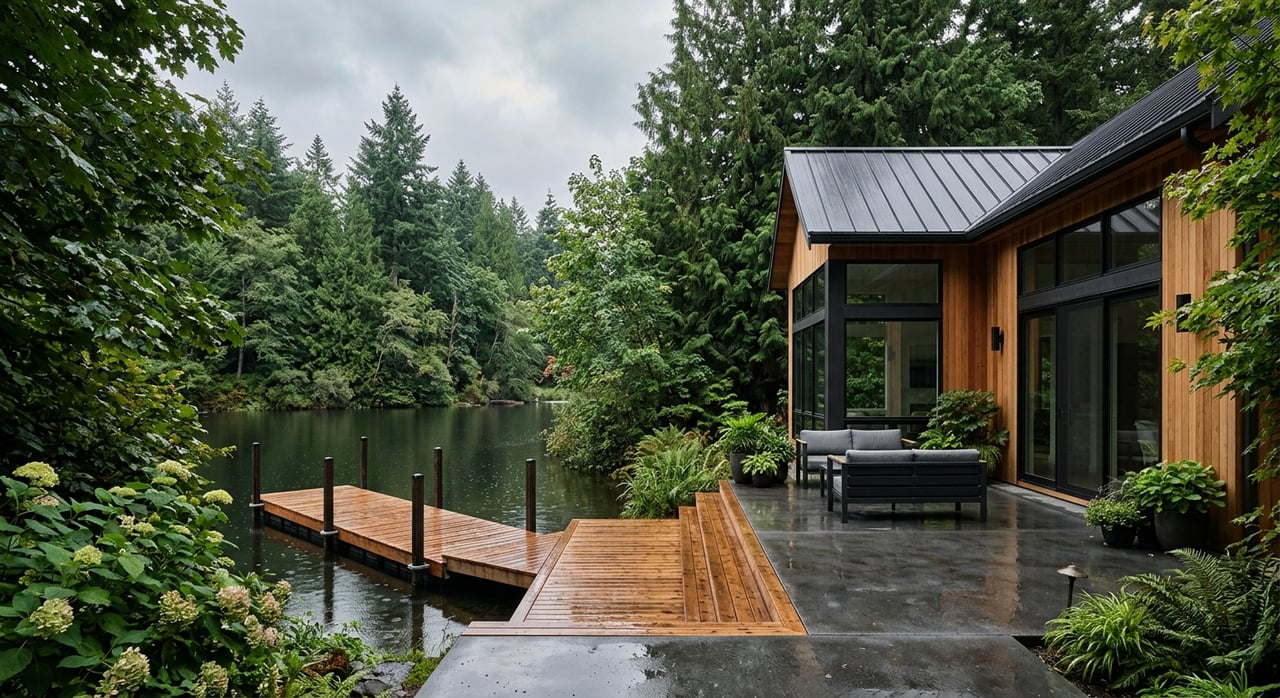
Dreaming about waking up to lake views in Lake Stevens? You are not alone. Waterfront and view homes here can offer a standout lifestyle, but the right fit depends on how you want to use the property, how much maintenance you want to take on, and how comfortable you are with shoreline rules. This overview will help you sort through the options, understand the tradeoffs, and buy with more confidence. Let’s dive in.
Lake Stevens market snapshot
Lake Stevens centers around one of Snohomish County’s most notable natural features. According to the City of Lake Stevens, the lake is the largest natural lake in the county, covering more than 1,000 acres with a maximum depth of 150 feet. That scale supports boating, swimming, fishing, and shoreline recreation, but shoreline ownership is still limited.
That limited supply is a big reason waterfront homes attract attention. As of March 2026, Redfin reports a median sale price of $667,500 in Lake Stevens, with homes selling in about 23 days and receiving about 2 offers on average. Zillow places the average home value at $705,682 as of March 31, 2026, which points to a market that is still competitive even after some year-over-year softening.
The inventory gap matters even more if you are focused on the water. Current listing snapshots show just 4 waterfront homes in Lake Stevens at a median listing price of $750,000, compared with 108 view homes at a median listing price of $754,000. In simple terms, true waterfront is a much smaller slice of the market than homes with views.
Know the difference between property types
Not every home marketed as waterfront offers the same experience. In Lake Stevens, the term can include direct lakefront homes, riverfront properties, creek-side parcels, and other homes tied to a water feature. That means you should verify exactly what water body the home borders and what that frontage actually allows you to do.
Lakefront homes
Lakefront homes are the closest match for buyers who want direct interaction with Lake Stevens itself. These properties may offer shoreline access, space for water recreation, and in some cases the potential for dock or moorage improvements. Because inventory is so limited, these homes often command extra attention.
Still, direct frontage is not just about the view. You are also buying into shoreline management, seasonal water-level changes, and permitting rules that can affect future plans. A beautiful lot is only part of the story.
Near-water homes
Near-water homes sit close to the lake without directly owning shoreline. For many buyers, this is a practical middle ground because you still get proximity to the lifestyle without taking on the full cost and upkeep of waterfront ownership.
Lake Stevens has two public boat launches, North Cove and Davies Beach, both with paid parking. That gives you real access to the lake even if you do not own private frontage. If your goal is regular lake use rather than private shoreline, a near-water home may deserve a close look.
View homes
View homes are the broadest category. In Lake Stevens, they can offer lake views, mountain views, or territorial outlooks without direct waterfront ownership. This category tends to give buyers the most options and the widest price range.
Current view-home listings range from roughly $527,500 to $1.399 million. That spread shows how much value can shift based on the quality of the view, lot placement, home condition, and overall setting. A view is not a single price point in this market.
Match the home to your lifestyle
One of the biggest mistakes buyers make is focusing only on the photo appeal. A waterfront or view home should support the way you actually plan to live. The best choice for you depends on whether you want private access, easy recreation, lower upkeep, or simply a scenic backdrop.
Lake Stevens offers strong public lake access, which broadens your options. North Cove Park has a public dock, swim beach, fishing pier, boardwalk, and event space. Davies Beach offers a boat launch, sandy beach access, pier, picnic tables, and swimming access, and the city describes the lake as a year-round fishing lake.
If you picture using the lake often but do not need private shoreline, a near-water or view home may give you better value. If you want to step outside to the water every day, then paying more for direct frontage may make sense. The key is being honest about how often you will use the premium features.
Understand waterfront ownership costs
Waterfront living can be rewarding, but it comes with more moving parts than a standard residential purchase. Beyond the home itself, you may be taking on shoreline upkeep, changing lake conditions, and rules that affect how you use the property.
The city manages lake health through stormwater maintenance, aquatic plant control, lake-level management, and annual alum treatments that help bind phosphorus. The lake level is also managed with a weir in spring and summer, then adjusted in fall. As a result, shoreline appearance and dock conditions can change with the seasons.
That means maintenance is not just cosmetic. It can affect usability, planning, and your long-term ownership experience. Buyers should look closely at shoreline condition, drainage, existing structures, and any signs of deferred maintenance.
Lake rules matter for daily use
Owning on the lake gives you direct access, but it also places you closer to active local rules. The City of Lake Stevens sets water recreation rules that shape how the lake functions day to day.
For example, the city sets a 35 mph speed limit on the lake. It also requires no-wake conditions at night and in North Cove after 1 p.m., and boats must yield to swimmers, kayaks, paddleboards, and other non-motorized users. In other words, lake living here is active and scenic, but it is also regulated.
That is not a negative. It simply means you should understand the environment you are buying into. If your vision of waterfront life includes boating, swimming, or paddle sports, these rules are worth reviewing early in your search.
Permits and docks need careful review
If you are considering a shoreline property, permitting should be part of your due diligence from the start. In Lake Stevens, shoreline property is governed by the city’s Shoreline Master Program, which applies to the lake and the area within 200 feet of the ordinary high-water mark.
The city states that shoreline permits are generally required for new, expanded, or replaced development within shoreline jurisdiction. That can include work tied to structures, shoreline improvements, and over-water features. If you are buying with future plans in mind, this is one of the most important parts of the process.
What to know about moorage
The Shoreline Master Program considers moorage associated with a single-family residence a water-dependent use. At the same time, the city favors shared moorage over single-user moorage, and over-water structures must meet city, state, and federal requirements.
The practical takeaway is simple. Do not assume a lot can support the dock or moorage setup you want just because it is on the water. Existing features, permit history, and future approval pathways all matter.
Why smaller projects still need review
Lake Stevens permitting can apply even when the project seems modest. The city’s permit checklist shows that new docks over $10,000 can trigger shoreline substantial development, SEPA, floodplain, HPA, and building permit review. Smaller dock work may still require shoreline exemption processing.
For buyers, that means resale value is tied to more than square footage and finishes. The most desirable shoreline properties often combine usable frontage, documented maintenance, and a clearer path for future improvements.
How to evaluate resale potential
Waterfront and view homes often hold appeal because they are limited, but not all properties perform the same way over time. In Lake Stevens, scarcity helps support demand, yet buyers still weigh location, usability, condition, and complexity.
A direct lakefront property with practical access and straightforward ownership features may attract strong buyer interest when it hits the market. A view home may appeal to a wider buyer pool because it offers scenery with less maintenance and fewer shoreline questions. Neither is automatically better. It depends on the type of buyer likely to value the home later.
As you compare options, think about resale through a buyer’s eyes:
- Is the water or view feature easy to understand and enjoy?
- Is the frontage usable, or mainly visual?
- Are there existing improvements like docks or shoreline features to review?
- Does the property appear easier or harder to maintain than alternatives?
- Will future buyers see the premium as practical, emotional, or both?
Offer strategy in a tight niche
Even in a market that has softened from a year earlier, well-positioned homes can still move quickly. Redfin’s Lake Stevens market data shows about 23 days on market with roughly 2 offers on average, which suggests buyers still need to be prepared when the right property appears.
That is especially true in a niche like waterfront, where there may be only a handful of active options. If you are targeting direct lake frontage, clarity matters. You will want to know your budget, your must-haves, and your limits on maintenance or permitting complexity before you write an offer.
For many buyers, the smartest move is to define the real goal before the search starts. If you mainly want daily water access, a dockable parcel may justify the premium. If you mainly want scenery and occasional lake use, a near-water or view home may offer a better balance of cost, ownership simplicity, and lifestyle value.
If you want help comparing Lake Stevens waterfront, near-water, and view-home options with local context, Kyle Wells can help you sort through the tradeoffs and focus on the properties that fit how you want to live.
FAQs
What is the difference between a Lake Stevens waterfront home and a Lake Stevens view home?
- A waterfront home is tied to a water feature, which may or may not mean direct Lake Stevens frontage, while a view home offers a visual outlook such as lake, mountain, or territorial views without direct shoreline ownership.
How many Lake Stevens waterfront homes are usually available?
- Current listing snapshots in the research report showed 4 waterfront homes compared with 108 view homes, which highlights how limited true waterfront supply can be.
Do Lake Stevens near-water homes still provide lake access?
- They can provide practical access to the lake through public amenities like the North Cove and Davies Beach boat launches, even if the home does not include private shoreline.
Do Lake Stevens shoreline properties need permits for dock work?
- Yes, shoreline properties are subject to the city’s Shoreline Master Program, and dock work may require shoreline review, with larger projects potentially triggering several layers of permitting.
Are Lake Stevens waterfront homes harder to maintain than other homes?
- They can be, because shoreline ownership may involve more upkeep, seasonal lake-level changes, and additional review of drainage, frontage condition, and over-water improvements.
Is buying a Lake Stevens view home a good alternative to buying waterfront?
- For many buyers, yes, because a view home can deliver scenery and a lower barrier to entry while avoiding some of the maintenance and regulatory complexity that can come with direct shoreline ownership.