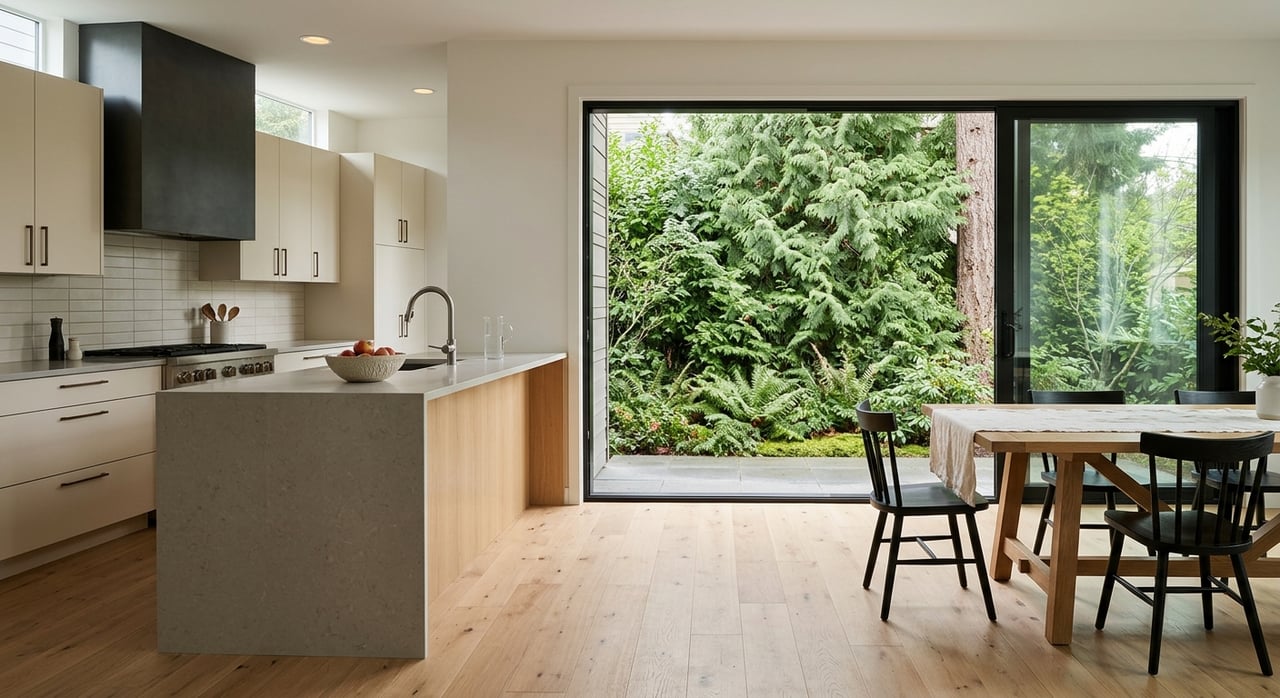
If you plan to sell your Lynnwood home soon, waiting until the last minute can cost you time, leverage, and peace of mind. In today’s market, buyers have more options than they did during the most competitive years, which means preparation matters more than ever. The good news is that a smart plan can help you feel more confident and put your home in a stronger position before it hits the market. Let’s dive in.
Why preparation matters in Lynnwood
Lynnwood has real momentum right now, and transit is part of the story. Sound Transit opened the Lynnwood Link Extension on August 30, 2024, which means light rail access is now a real, current feature for buyers looking in south Snohomish County.
That said, transit access alone is not enough to carry a listing. Recent market data shows Lynnwood homes sold in about 12 days over the three months ending April 2026, with a median sale price of $720,000 and an average of 2 offers per home. Snohomish County inventory was also up 33.6% year over year in NWMLS’s May 2026 snapshot, which suggests buyers have more choices and may compare homes more carefully.
Start 6 to 12 months early
If you know a sale is coming, even if the exact timing is not set, give yourself a longer runway. The strongest prep plan usually starts 6 to 12 months before listing because it gives you time to organize documents, make smart updates, and avoid rushed decisions.
This is especially helpful in Washington, where seller disclosures are part of the normal transaction flow. After mutual acceptance, a seller of improved residential property must deliver a completed disclosure statement unless the buyer waives that right, and the buyer then has three business days after receiving it to accept or rescind.
Gather paperwork before listing
One of the best ways to reduce stress later is to collect your documents early. Washington’s disclosure form is based on your actual knowledge, so it helps to review your records before your home goes live.
Try to gather:
- Repair and maintenance records
- Appliance and system warranties
- Permit records
- HOA documents, if applicable
- Survey information, if available
- Notes on easements, assessments, or title issues
- Records tied to known defects or past repairs
When buyers ask questions after an offer comes in, a clean paperwork trail can make responses faster and clearer. It can also help reduce the chance of avoidable renegotiation.
Focus on low-friction updates
Not every pre-sale project is worth doing. In Lynnwood, the city’s permit-exempt list gives sellers a useful guide for where to start with cosmetic work.
Permit-exempt finish work includes painting, papering, tiling, carpeting, cabinets, countertops, and similar updates. These types of changes are often easier to schedule and complete, which makes them a practical first step if your home needs a visual refresh.
On the other hand, the city says most electrical work requires a permit. If you are considering lighting changes, wiring work, or anything more technical, plan earlier and use a licensed contractor.
Updates worth considering first
If your goal is to improve presentation without creating a bigger project than necessary, start here:
- Fresh interior paint
- New or cleaned carpet
- Minor tile updates
- Cabinet hardware refreshes
- Countertop replacement, if dated or damaged
- Deep cleaning throughout the home
In many cases, visible finish work gives you the best balance of cost, speed, and impact. Unless a larger issue truly needs to be fixed, it is often smarter to avoid opening walls or starting complex systems work right before a sale.
Prioritize condition over hype
Lynnwood’s new light rail access can absolutely be part of your home’s marketing story, especially if your location offers convenient station access. The City of Lynnwood continues to coordinate city-center and light-rail-related planning, and Sound Transit has a planning-stage Lynnwood City Center transit-oriented development project next to the station.
Still, buyers usually notice condition and pricing before they reward a seller for future-area potential. If inventory is rising and homes are getting fewer offers than peak-market years, your home needs to present well on its own merits.
Stage the rooms buyers notice most
Staging is not just about making a home look nice. It helps buyers picture how the space functions and feels, which can influence both interest and timing.
According to NAR’s 2025 Profile of Home Staging, 83% of buyers’ agents said staging made it easier for buyers to envision a property as a future home. The same report found that 49% of sellers’ agents said staging reduced time on market, and 29% said it led to a 1% to 10% increase in the dollar value offered.
Rooms to stage first
The most commonly staged rooms were:
- Living room
- Primary bedroom
- Dining room
- Kitchen
If your budget is limited, start with those spaces. They tend to shape a buyer’s first impression of the home’s comfort, layout, and livability.
Best staging basics
The most common seller-agent recommendations in the report were simple and practical:
- Declutter every room
- Deep clean the home
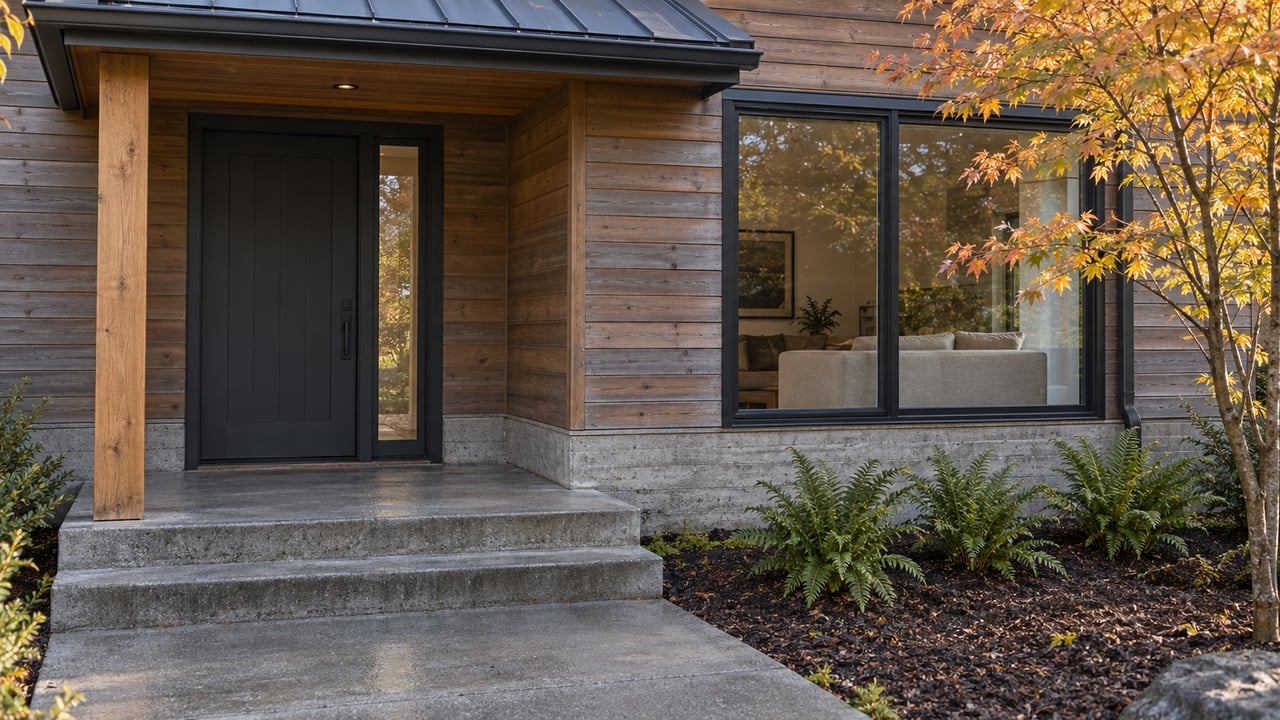
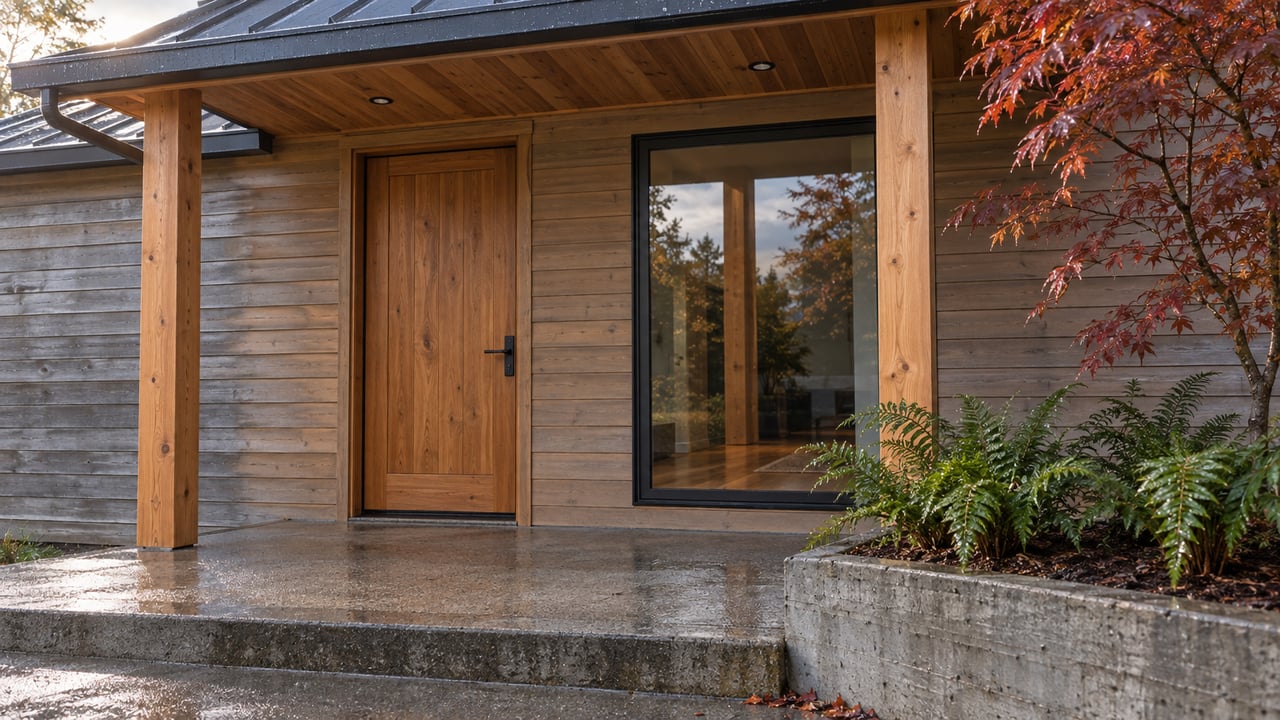
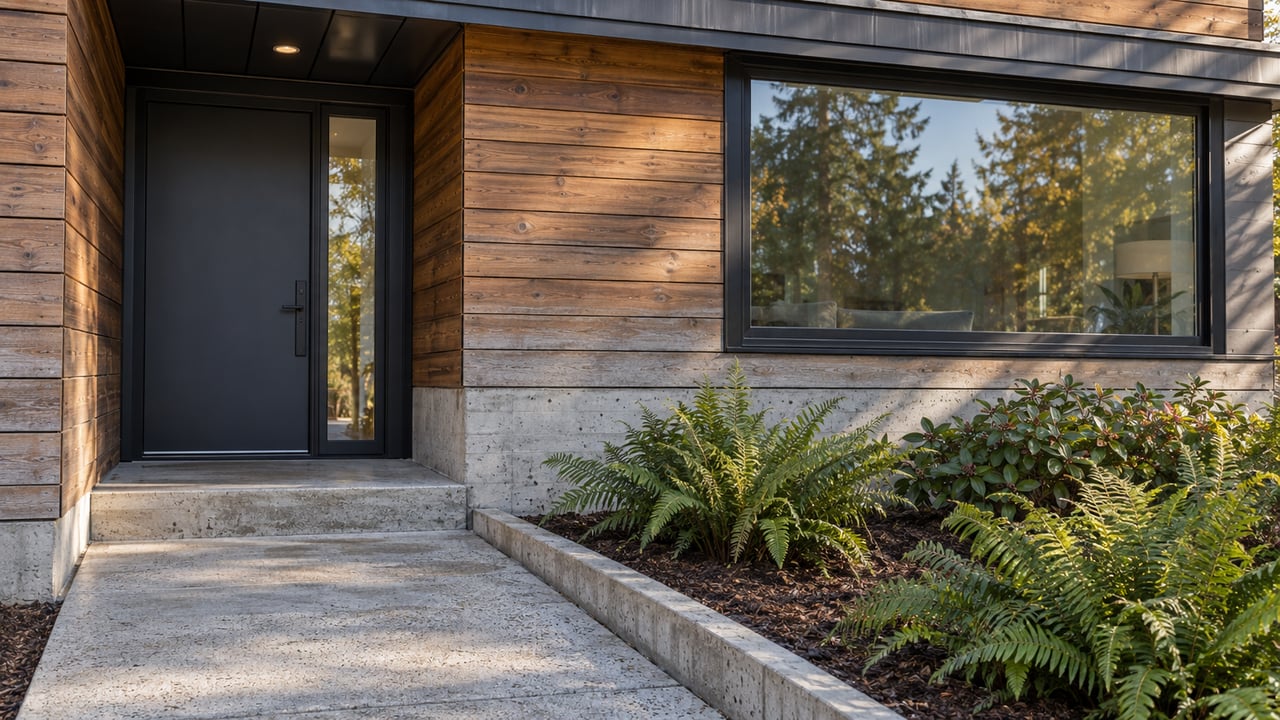
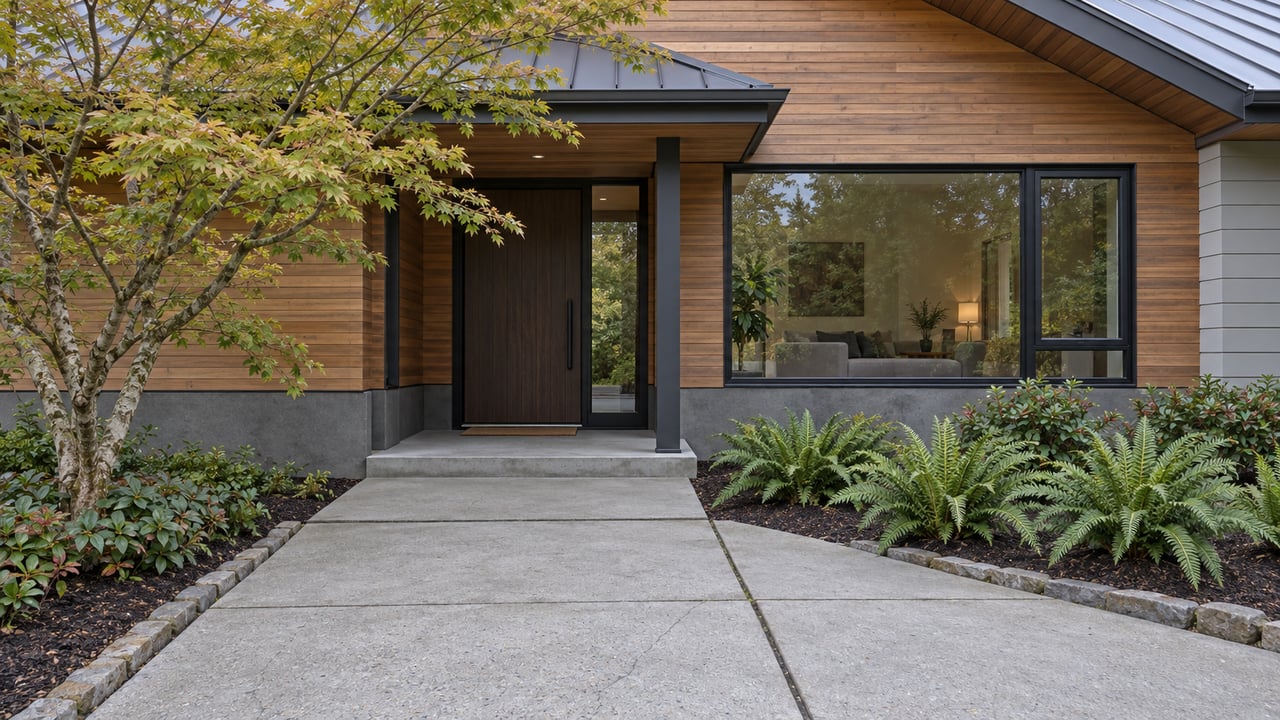
- Improve curb appeal
These steps matter because they help your home read clearly in person and online. They also make professional photography much more effective.
Finish prep before photos
Listing photos are one of the most important parts of your sale. NAR reports that 81% of buyers consider listing photos the most important factor when evaluating a property.
That means your cleaning, decluttering, and final staging should happen before photography, not after. If the home looks half-finished in the photos, many buyers may never schedule a showing.
Buyers’ agents rated photos ahead of physical staging, video, and virtual tours in importance. So even if you plan to use extra marketing tools, your photo set still carries the most weight.
Keep photos accurate
It is also important that photos reflect the home honestly. NAR notes that digitally altered photos can disappoint buyers when they overstate condition or scale.
If virtual staging is used, transparency matters. Accurate presentation helps attract buyers who are a better fit for the home, which can lead to smoother showings and more credible offers.
Expect a multi-step offer process
Many sellers hope the process will be simple: list, receive an offer, and close. In reality, buyers often need time for financing review, inspections, document review, and follow-up questions.
NWMLS defines pending sales as signed agreements still waiting on financing, inspection, the sale of a buyer’s home, or other reasons. In other words, an accepted offer is a major milestone, but it is not always the end of negotiation.
This is another reason early preparation helps. If you can respond quickly to questions, provide records, and keep the home easy to show, you may reduce friction during the contract period.
Build a practical selling timeline
A strong Lynnwood selling plan usually follows a simple order. The goal is to handle the highest-impact work first and save yourself from expensive last-minute scrambling.
| Timeframe | What to do |
|---|---|
| 6 to 12 months out | Gather disclosures, repair records, HOA documents, permit history, and warranty information |
| 3 to 6 months out | Tackle cosmetic finish work like paint, flooring, tile, cabinets, and counters as needed |
| 1 to 2 months out | Declutter, deep clean, improve curb appeal, and finalize staging plan |
| Just before listing | Complete photography only after cleaning and staging are done |
| After listing | Prepare for showings, buyer questions, inspection requests, and disclosure review |
This kind of structure keeps the process manageable. It also helps you make decisions based on timing and payoff, not pressure.
Sell with fewer surprises
Preparing to sell a home in Lynnwood is really about reducing surprises. When you organize your paperwork, focus on visible improvements, stage key rooms, and get photos right, you make it easier for buyers to understand the value of your home.
In a market where buyers have more choices, that clarity can matter just as much as location. If you want a plan tailored to your timeline, home condition, and price point, Kyle Wells can help you map out the right next steps.
FAQs
When should you start preparing to sell a home in Lynnwood?
- A good target is 6 to 12 months before listing so you have time to gather documents, complete cosmetic work, and prepare the home for photos and showings.
What home updates are easiest before listing a Lynnwood property?
- Lynnwood’s permit-exempt finish work includes items like painting, tiling, carpeting, cabinets, and countertops, so those are often the easiest cosmetic updates to prioritize.
What documents should you gather before selling a home in Washington?
- Start with repair records, warranties, permit history, HOA documents if applicable, survey information if available, and any records related to title matters, assessments, easements, or known defects.
Which rooms matter most when staging a Lynnwood home for sale?
- The living room, primary bedroom, dining room, and kitchen are the rooms most commonly staged, and they are often the best places to focus first.
Why should photography wait until after staging and cleaning?
- Buyers place high importance on listing photos, so cleaning, decluttering, and staging should be complete before photos are taken to make the best first impression online.
What should Lynnwood sellers expect after accepting an offer?
- Many transactions still involve inspection, financing, buyer document review, and other contingencies, so it helps to stay organized and ready for follow-up questions after mutual acceptance.