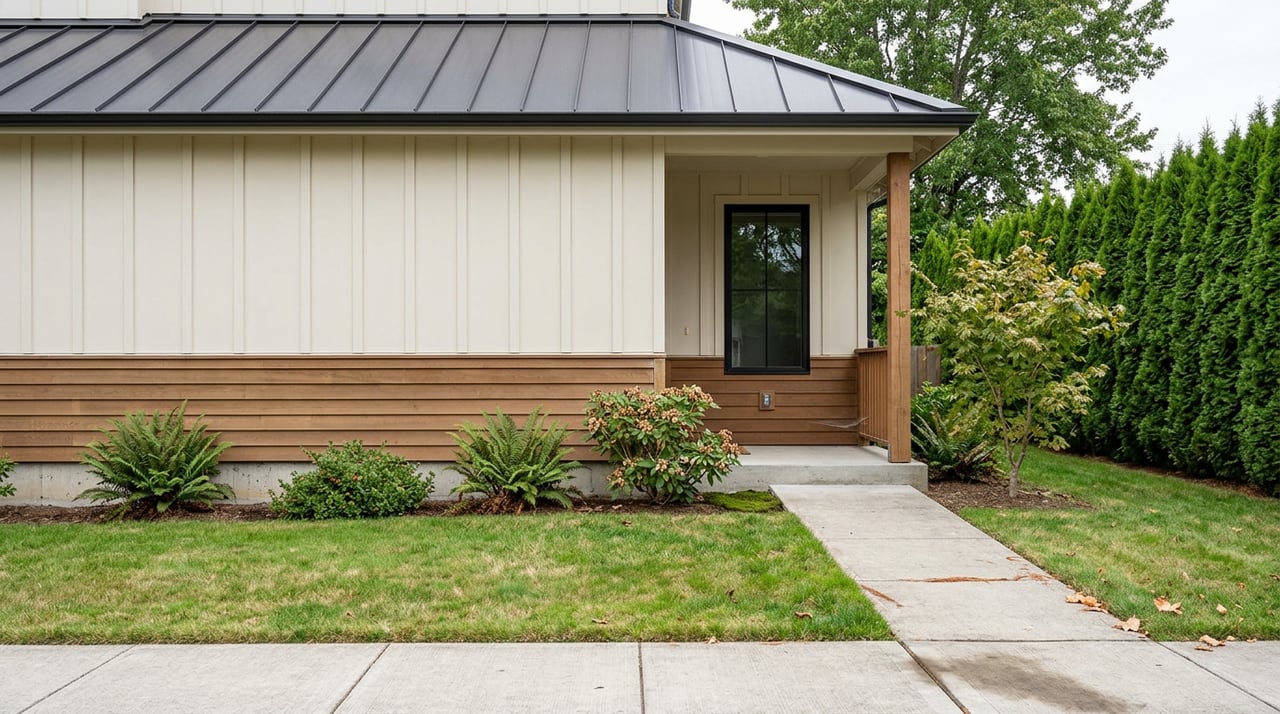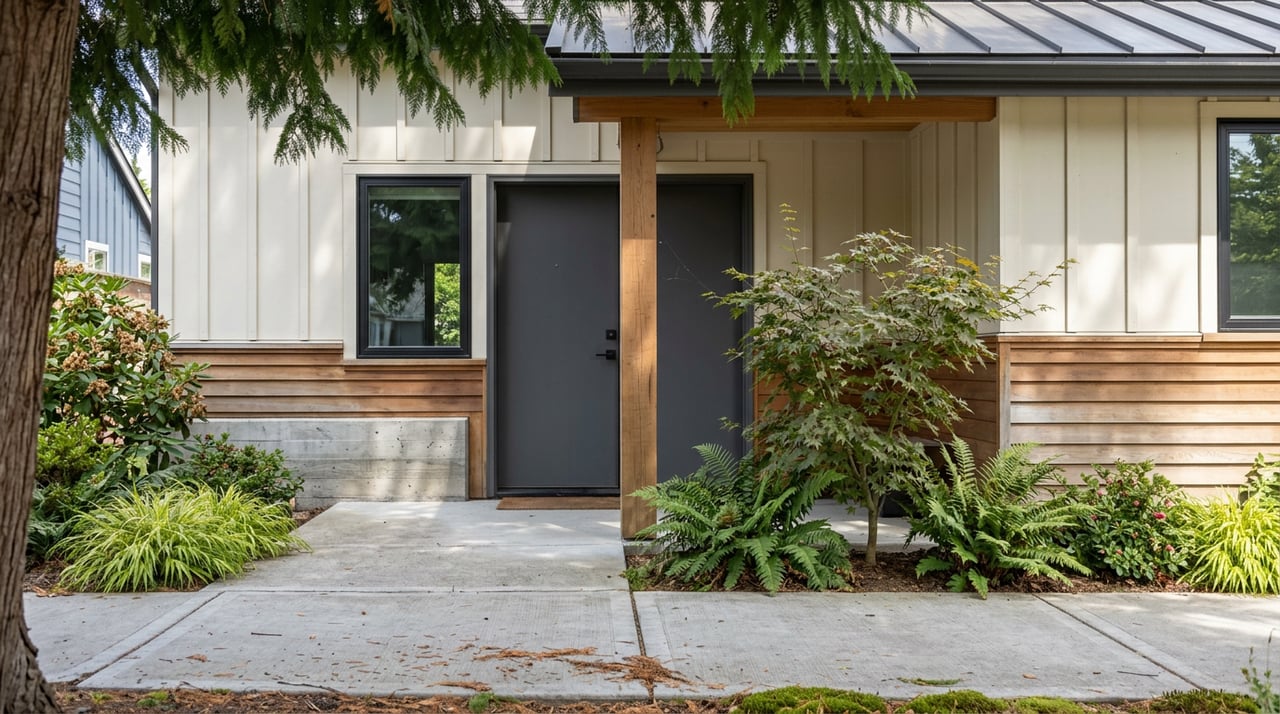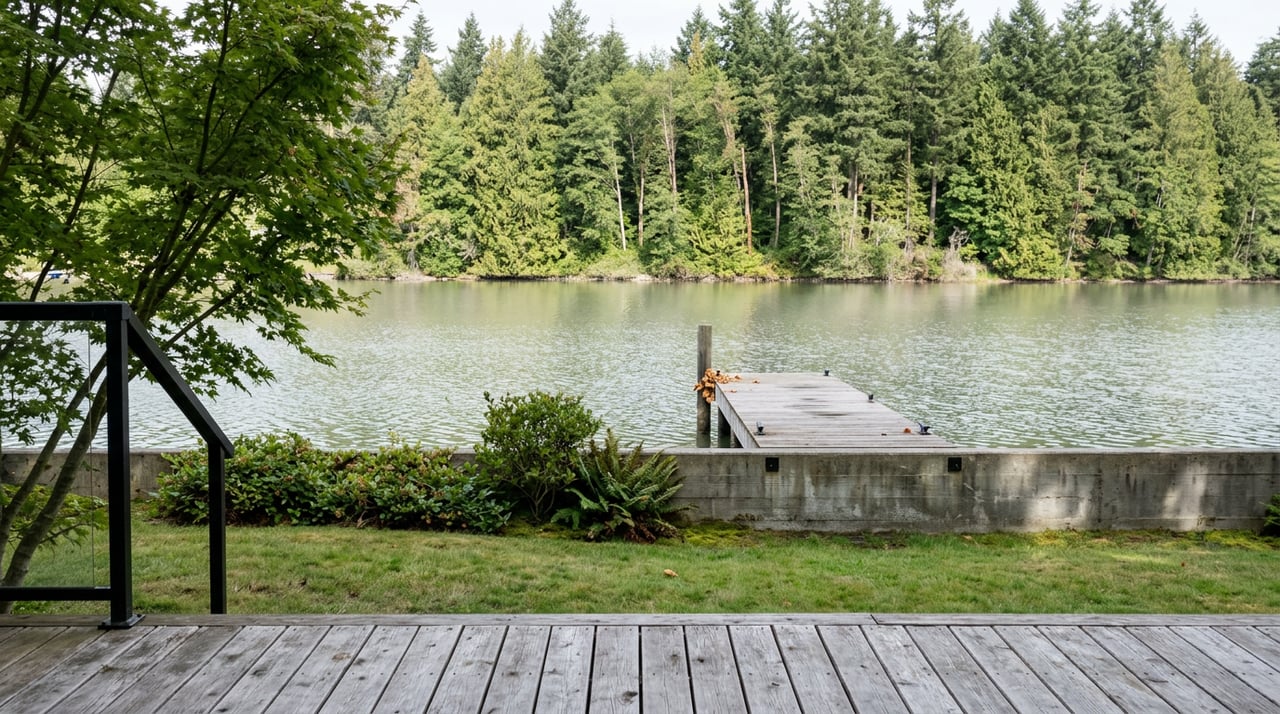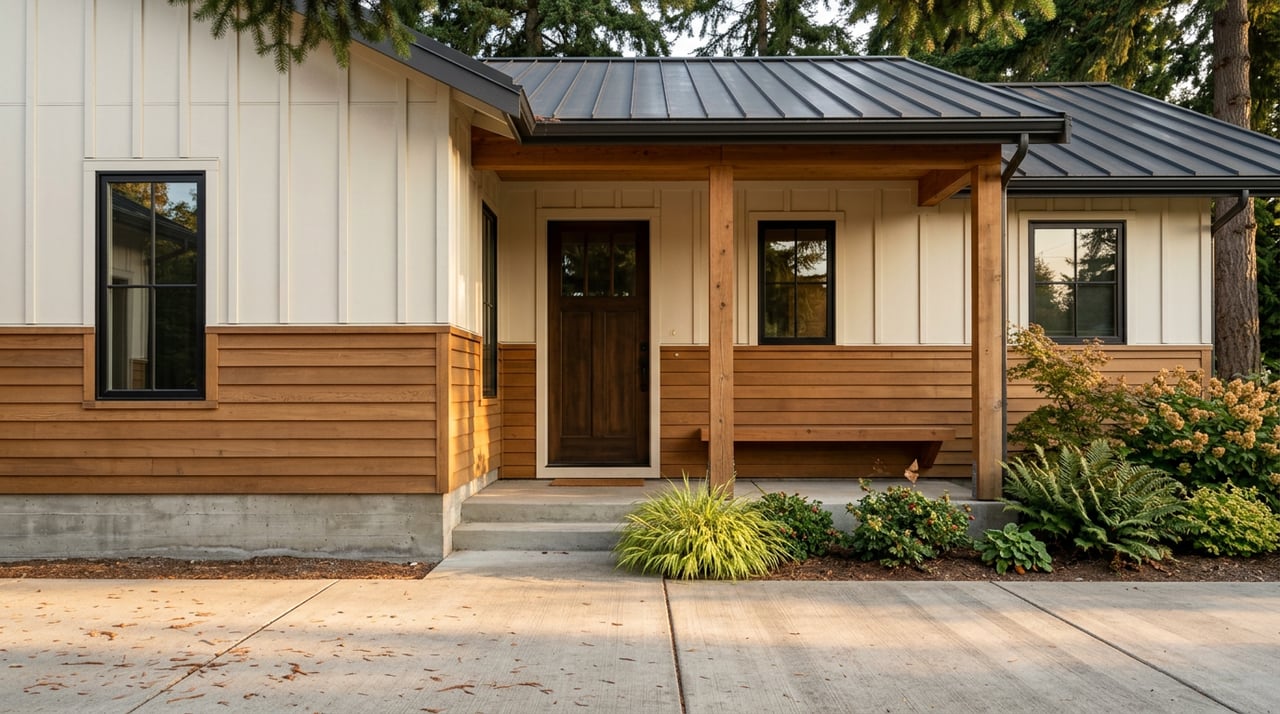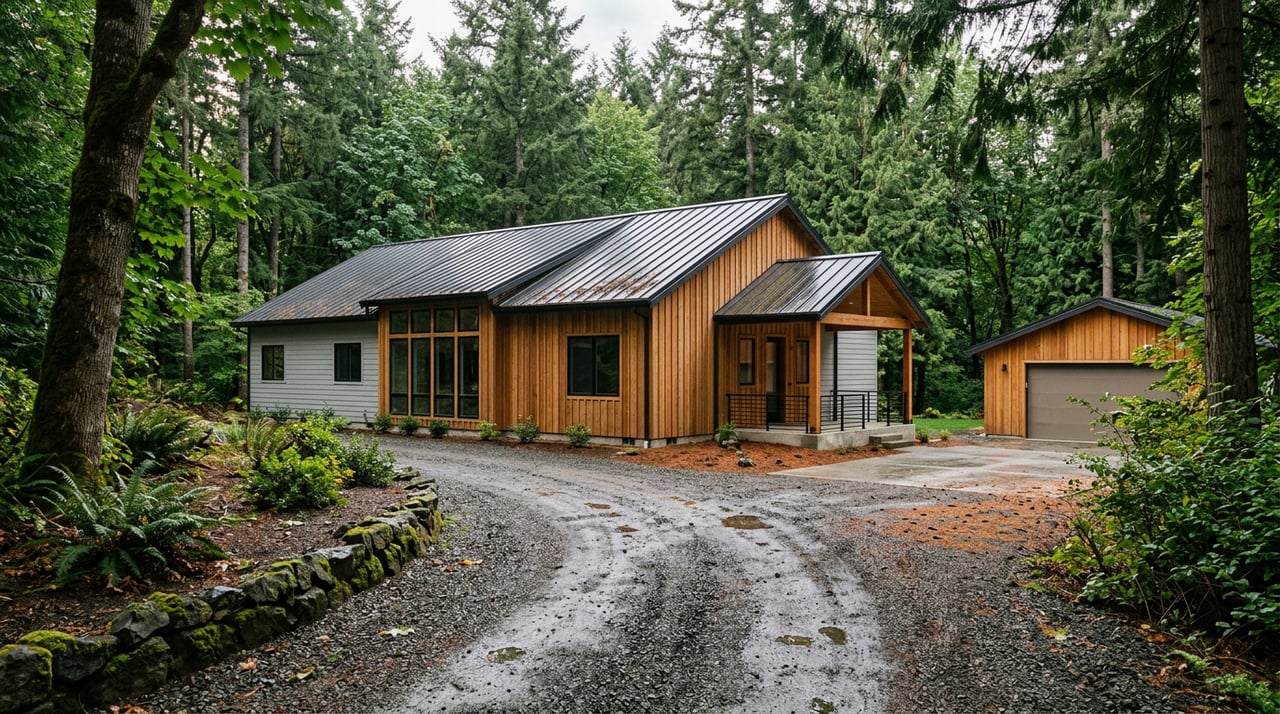
You want space, trees, and elbow room without giving up access to Snohomish County jobs and amenities. Buying a home on land near Granite Falls can deliver that lifestyle, but acreage comes with a different set of checks than an in-town lot. In this guide, you’ll learn how to verify access, utilities, wells and septic systems, flood and critical areas, and the financing and long-term costs that matter for 98252. Let’s dive in.
Why Granite Falls acreage appeals
Set at the western foothills of the Cascades, Granite Falls is known as a gateway to the Mountain Loop Highway and outdoor recreation. The city’s website outlines local services and its rural character, which draws buyers who want quiet and proximity to trails and rivers. You will find everything from tucked-away forested parcels to river-adjacent properties. (City of Granite Falls)
In 98252, homes on one acre or more are common, and values vary widely by parcel size, river or creek proximity, setting, and home condition. Because acreage is so diverse, you should compare properties by usable land, site features, and the status of utilities and permits rather than by bedroom count alone.
First checks: access and roads
Verify legal access and easements
Before you fall in love with the trees and views, confirm that you can legally reach the home year-round. Ask your title company to pull recorded easements and any road maintenance agreements. If access is via a private road, a recorded agreement that spells out who pays for grading, gravel, and snow removal helps avoid disputes later. If the driveway connects to a county right-of-way, Snohomish County may require an access or driveway permit, and an unpermitted driveway can trigger upgrades during future permitting. Start with the county’s permitting and right-of-way guidance to understand what applies. (Snohomish County PDS FAQ)
Driveways and culverts
Rural driveways often cross ditches or culverts and may require county approval for work within the right-of-way. If you plan to add a second entrance, widen a driveway, replace a culvert, or improve sightlines, confirm whether a county Driveway/Access/Culvert permit is required and what standards apply. Checking permit history up front can save you from surprise costs after closing. (Snohomish County PDS FAQ)
Utilities on acreage
Power and heat
Most of Snohomish County is served by Snohomish County PUD. Ask the seller and the PUD about the type of service to the site, the distance to the nearest transformer, and the cost to add or upgrade power if you plan new improvements. Older rural homes may have overhead lines, while newer builds sometimes run underground service for a cleaner look and better reliability. (Snohomish County PUD)
Natural gas does not reach every rural area. In parts of the region where mains exist, Puget Sound Energy is the gas provider. Many acreage homes use propane tanks, heat pumps, wood stoves, or a combination. Confirm availability at the parcel level and budget for propane tank lease or purchase if needed. (Puget Sound Energy)
Private wells and safe drinking water
Most acreage near Granite Falls relies on private wells. The Washington State Department of Health recommends annual testing, at minimum for total coliform bacteria and nitrate, and some areas warrant additional testing such as arsenic. Ask for recent lab results and confirm that testing meets your lender’s timing and panel requirements if you are using FHA, USDA, VA, or many conventional loans. Your goal is to have current, clear results from an approved lab before you remove contingencies. (WA DOH well testing guidance)
Septic systems and records
Snohomish Health District oversees on-site sewage systems. Request the septic as-built, permit records, and maintenance history, then order a septic inspection or certification. A system that is failing, unpermitted, or undersized for the home can limit occupancy and trigger costly repairs. Knowing the location of the tank, drainfield, and reserve area also helps you plan landscaping, outbuildings, and additions. (Snohomish Health District septic permitting)
Broadband, phone, and cellular
Internet and cellular strength vary by parcel. Do not assume that a nearby listing’s service level applies to your site. Run a speed test during your visit and check provider availability maps. If reliable connectivity is essential, make service verification a contingency in your offer.
Environmental and land-use checks
Floodplain status and insurance
Waterfront and low-lying forest land can sit in FEMA-designated Special Flood Hazard Areas. Use the FEMA Flood Map Service Center to look up the property’s Flood Insurance Rate Map panel. Parcels in a mapped flood zone can trigger mandatory flood insurance for federally backed loans and may require special construction standards for new work. Snohomish County issues flood hazard permits for development within these areas, so confirm requirements before planning additions or grading. (FEMA Map Service Center, County Flood Hazard Permits)
Critical areas and buffers
Snohomish County’s Critical Area Requirements protect wetlands, streams, fish and wildlife habitat, landslide or other geologic hazards, and critical aquifer recharge areas. If a parcel contains or abuts a critical area, the county may require a Critical Area Site Plan, setbacks or buffers, and possibly mitigation. Some properties have recorded protections that limit where you can build or clear. Review the county’s critical areas guidance and ask the permitting desk what applies to your specific site. (Critical Area Requirements)
Timber harvests and clearing
If you plan to clear trees or harvest merchantable timber, Washington DNR regulates forest practices and provides a Forest Practices Application process. Even small-scale clearing may require notice, buffers near streams, or coordination with the county. Check your plans against DNR rules before you start any tree work. (DNR Forest Practices search tool)
Wildfire readiness and access for responders
Heavily wooded lots can increase wildfire risk and response times. Ask the local fire district about defensible space, driveway width, and turnaround standards for emergency vehicles. You can find contacts through city and municipal pages. Proactive thinning and maintenance can also improve insurability. (City of Granite Falls)
Financing, insurance, and long-term costs
Lender expectations for wells and septic
Government-backed and many conventional loans require proof that private wells and septic systems are safe and functional. Plan for water testing by an approved lab and a septic inspection or certification within your lender’s accepted time window. If a system needs repair, negotiate timelines and responsibilities during inspection to avoid delays at closing.
Flood and homeowner insurance
If the home is in a mapped flood zone, flood insurance is usually required by lenders. Even if it is not, you may choose to add coverage based on your site’s topography and proximity to water. Confirm rates early, especially for river-adjacent parcels, and ask your agent and insurance provider about steps that could reduce premiums.
Property taxes and special classifications
Snohomish County offers special classifications such as open space, farm and agricultural, and designated forest land that can change tax treatment for qualifying acreage. These programs can reduce annual taxes, but they come with eligibility rules and withdrawal penalties. Consult the County Assessor’s office and read the county guidance before you apply or assume you will qualify. (Snohomish County FAQ)
Maintenance planning on acreage
Owning land adds predictable upkeep. Budget for:
- Driveway and private road maintenance, including periodic grading and gravel
- Culvert and drainage upkeep, especially after heavy storms
- Septic pumping and potential repairs or component replacement
- Well equipment maintenance and periodic water testing
- Tree and forest management, including hazard tree removal
- Erosion control and vegetation management near water and slopes
Getting quotes during inspection gives you a realistic annual and long-term cost picture.
Smart due diligence checklist
Use this list to shape your offer contingencies and inspection timeline:
- Access and roads: Verify recorded legal access, any private road easements, and a road maintenance agreement. Ask the county if the driveway connection was permitted. (Snohomish County PDS FAQ)
- Survey and boundaries: Order a boundary survey to confirm lines, easements, and encroachments. Note setbacks and the location of any drainfield or reserve area.
- Well: Get a recent pump test or yield report and lab results for potability. At minimum test for total coliform and nitrate, and consider regionally relevant panels. Confirm lender requirements. (WA DOH well testing)
- Septic: Obtain the septic as-built and permit records, and order an inspection or certification. If the system is older or marginal, ask a designer to price replacement. (Snohomish Health District septic)
- Flood and critical areas: Look up FEMA flood maps and talk with the county about flood hazard permits, wetlands, streams, geologic hazards, and buffer requirements. (FEMA Map Service Center, County Flood Hazard Permits, Critical Areas)
- Utilities: Confirm SnoPUD electric service specifics and any hookup or upgrade costs. Check natural gas availability with PSE, or plan for propane. (SnoPUD, PSE)
- Timber and clearing: If you plan to clear or harvest, review DNR forest practice rules and whether an FPA or local permits are required. (DNR Forest Practices)
- Lender and insurance: Ask your lender about required tests and certification timelines. Request flood and homeowner insurance quotes early, especially for waterfront or low-lying sites.
- Title and protections: Review the title report for easements, shared well agreements, and any recorded land protections that limit development.
How a local agent helps
Acreage deals are won or lost in the details. A local agent can interpret easements and road agreements, coordinate specialists like well drillers and septic designers, and pull county GIS layers for flood, wetlands, and geologic hazards. They also keep lender timelines on track by scheduling water and septic work within accepted lab windows and by asking targeted questions at Snohomish County Planning and Development Services and the Health District.
If you are comparing two great properties, the right guide helps you see beyond the trees to the rules, costs, and risks that shape long-term value. When you are ready to talk specifics for 98252 and nearby Snohomish County communities, reach out to Kyle Wells for local insight and a clear plan.
FAQs
What should I test in a private well near Granite Falls?
- At minimum, test for total coliform bacteria and nitrate, and consider area-specific contaminants; use an approved lab and confirm your lender’s testing window. (WA DOH guidance)
How do I confirm legal access to a rural parcel in Snohomish County?
- Order a title report to verify recorded easements, check for a road maintenance agreement, and ask the county if the driveway connection to the right-of-way is permitted. (County PDS FAQ)
Do I need a permit for a new or widened driveway in 98252?
- Often yes. Work within a county right-of-way and culvert replacements typically require county Driveway/Access/Culvert permits, so confirm standards before you build. (County PDS FAQ)
What are “critical areas” and how can they affect my plans?
- Wetlands, streams, fish and wildlife habitat, geologic hazards, and aquifer recharge zones may require buffers, studies, or mitigation that shape where you can build. (Critical Area Requirements)
How do lenders handle wells and septic for FHA, VA, or USDA loans?
- Most require proof of safe drinking water and a functional septic system. Plan water testing and a septic inspection early and confirm accepted timelines with your lender.
Is natural gas available for acreage near Granite Falls?
- Not always. Check parcel-level availability with Puget Sound Energy and be prepared to use propane, heat pumps, or wood heat where no gas main exists. (PSE)
How do I check if a property is in a flood zone?
- Search the address on FEMA’s Flood Map Service Center and then ask Snohomish County about any flood hazard permit requirements for planned improvements. (FEMA MSC, County Flood Hazard Permits)