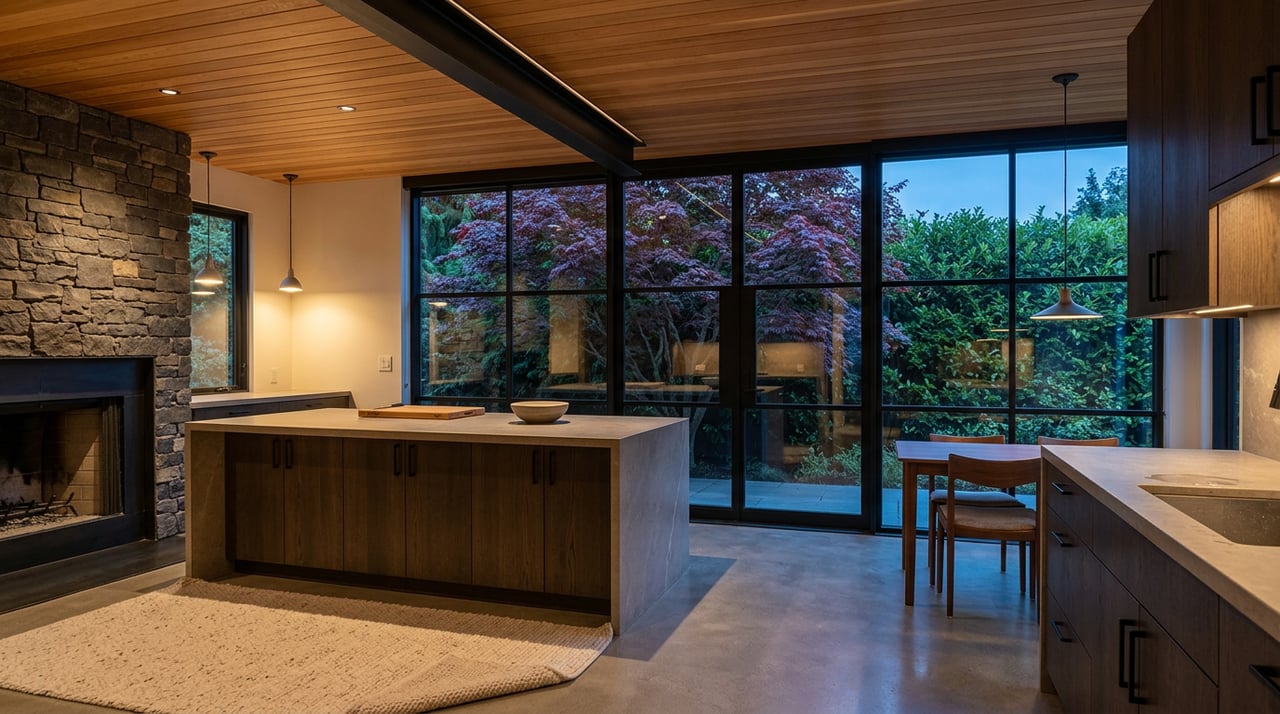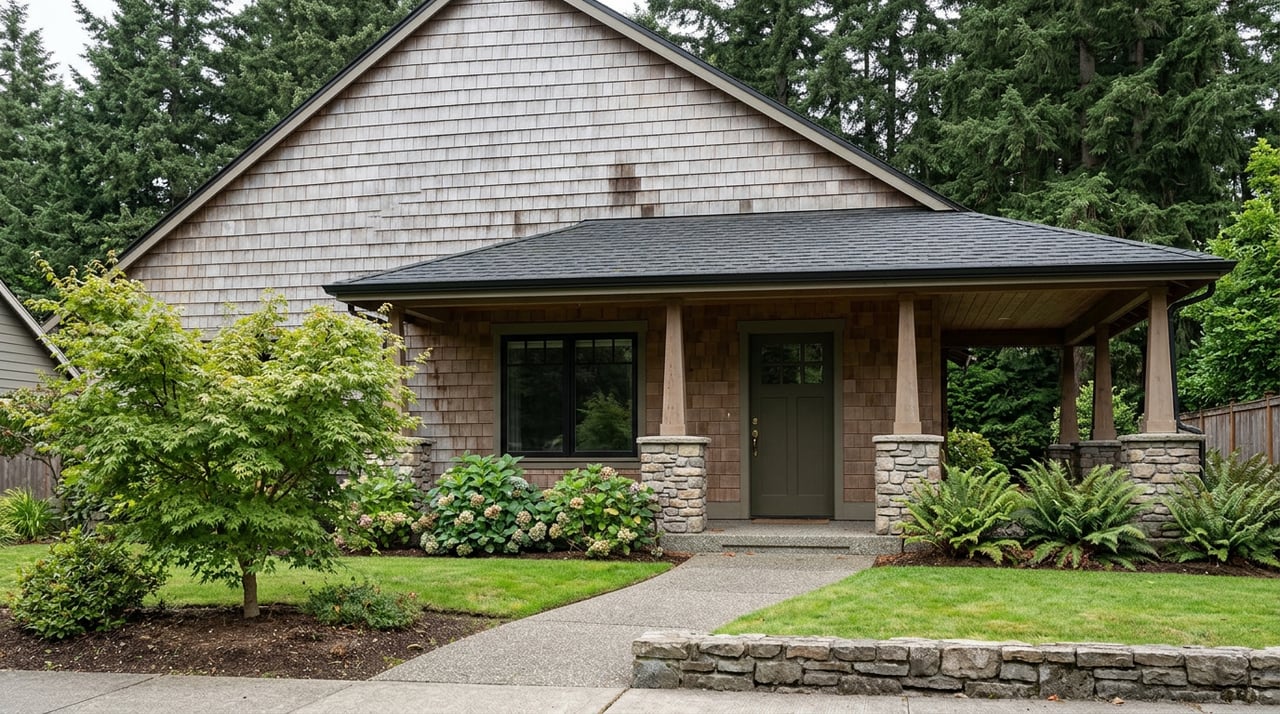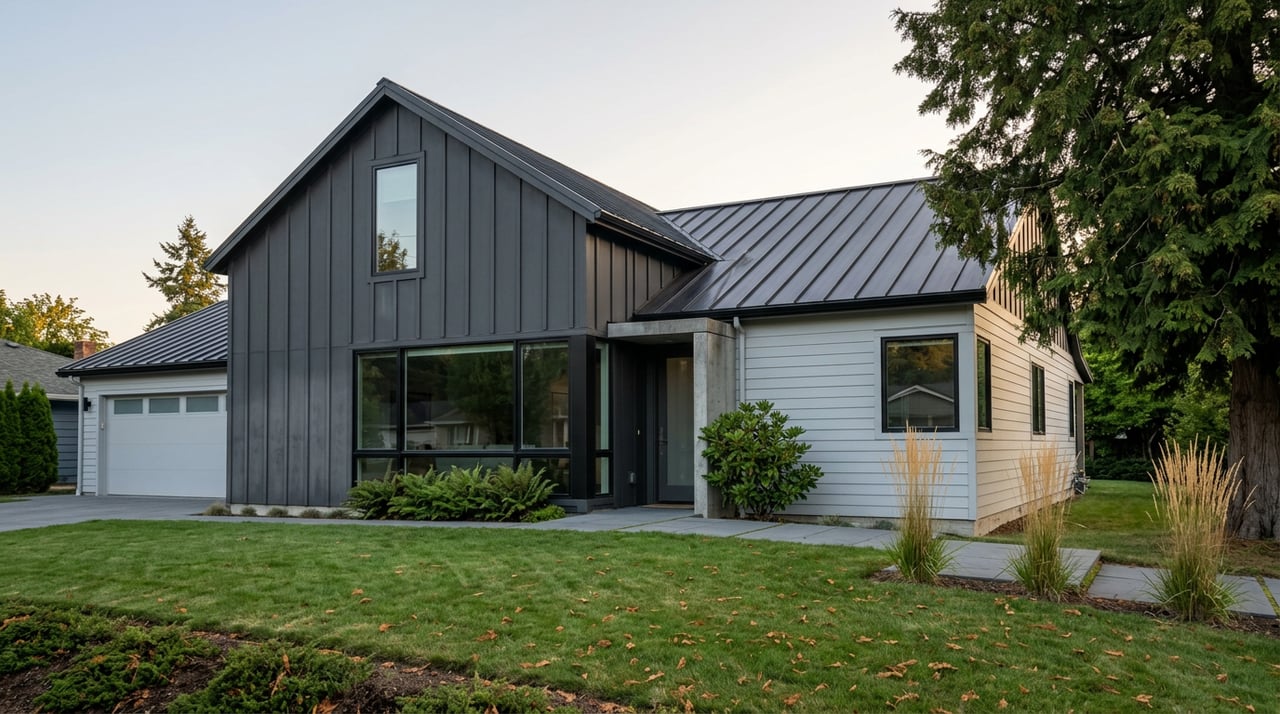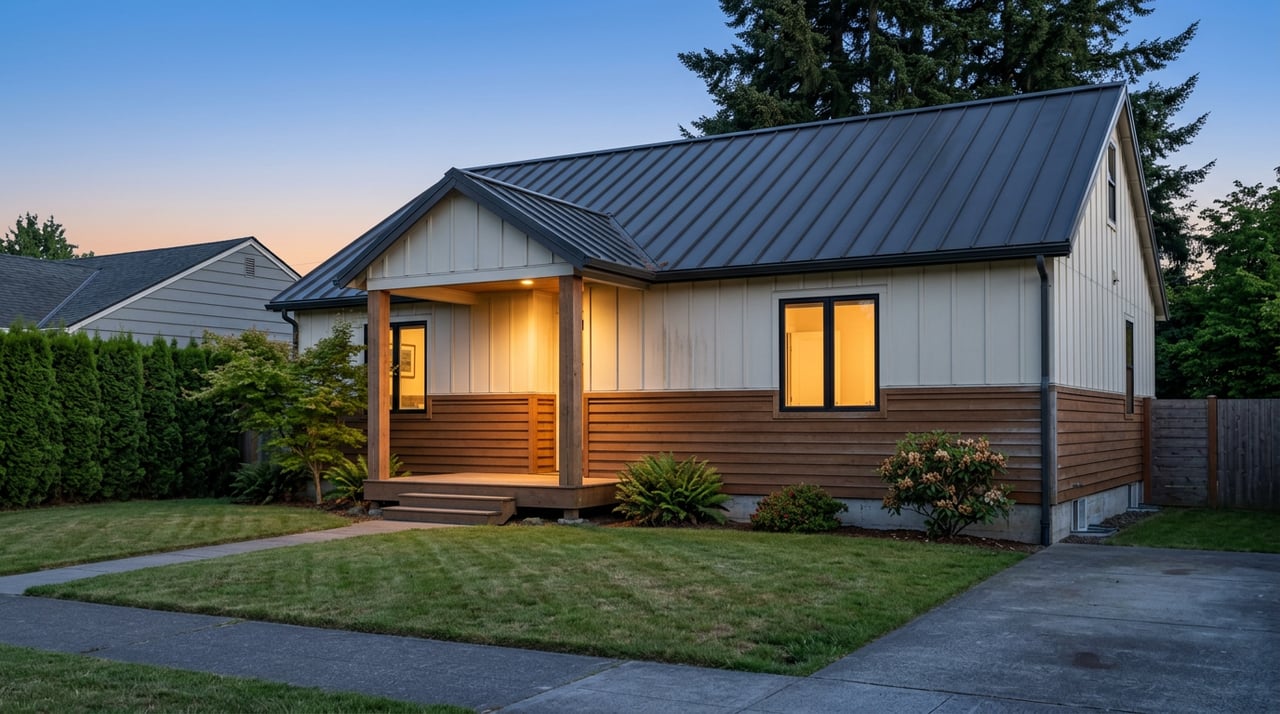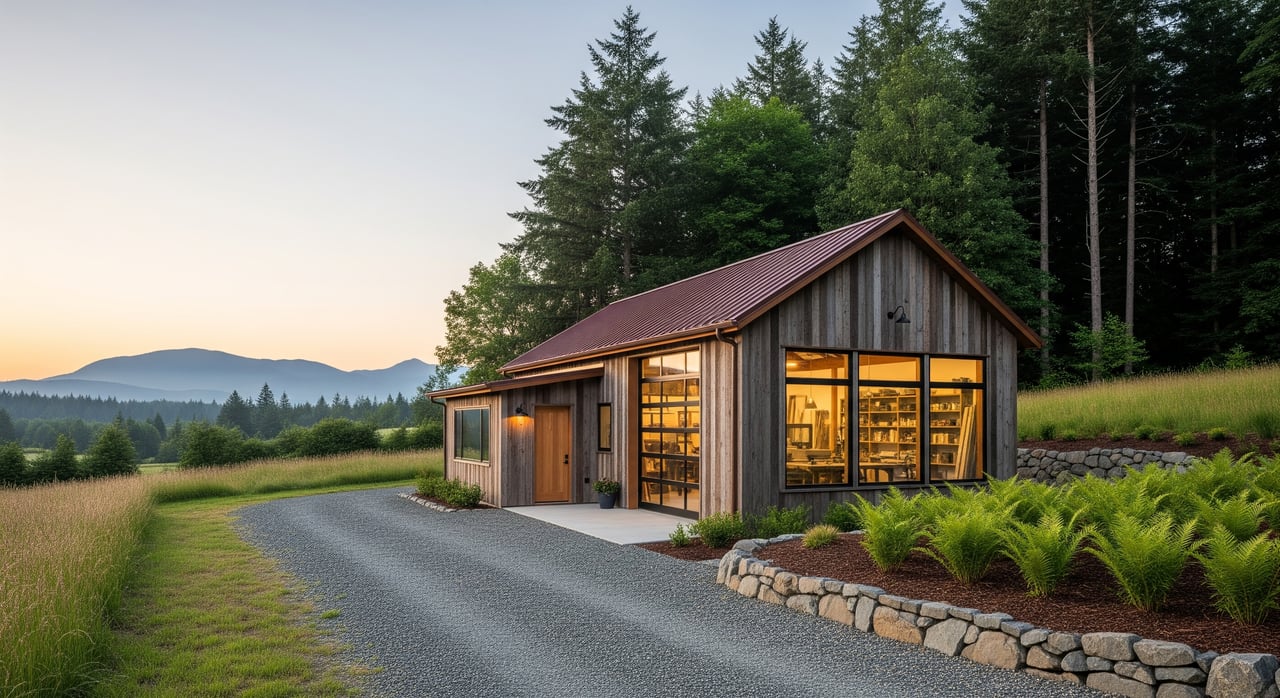
Picture your acreage with a clean, well‑lit shop for projects or a quiet studio for work. It is a great upgrade, but the rules and utilities around Snohomish can feel complex. In this guide, you’ll learn how city vs county rules differ, what permits and utilities you’ll need, realistic costs and timelines, and a simple checklist to move forward with confidence. Let’s dive in.
City vs county rules
Start by confirming where your property sits. Parcels inside the City of Snohomish follow city codes and permits, while those outside use Snohomish County rules. The City provides guidance and applications through the City of Snohomish Permitting page, and the County manages reviews through Snohomish County Permitting.
If your site is inside city limits, accessory buildings generally must be at least 5 feet from side and rear lines and meet the zoning district’s front setback. Height is limited within setbacks, with a 16‑foot cap in those areas. You can see examples in the city’s accessory structure rules in SMC 14.210.200.
In unincorporated Snohomish County, accessory uses and “studio” or home‑occupation buildings have size and placement limits tied to lot size. Some uses require extra separation from neighboring lots and have operational limits such as hours and signage. Review home‑occupation and accessory building allowances in SCC 30.28.050.
Define your use early
Your intended use drives everything. Pure storage or hobby use often has the simplest path. Using the space for a home business brings home‑occupation rules, possible certificates of occupancy, and inspections.
If you add sleeping, a kitchen, or a bathroom intended for living, the structure may be treated as an ADU. ADU rules in both the City and County have been updated to reflect recent state law. Before you design, check the current ADU chapters for size, height, and placement details.
Critical areas and site limits
On acreage around Snohomish, wetlands, floodplains, steep slopes, and habitat areas can shape where and how you build. Projects in or near these sensitive areas often require site studies and added buffers. Start your due diligence with the County’s overview of Critical Area Requirements so you can plan time and budget for any needed reports.
Permits and utilities
Most shops or studios need a building permit, plus electrical, plumbing, or mechanical permits if you add those systems. The City and County use online portals to submit plans, site plans, and track inspections. Make sure your site plan shows wells or septic, driveways, and any easements.
Power for your shop
If you plan for 240V tools, a subpanel, or a separate meter, coordinate early with Snohomish County PUD. The utility will size service, quote any transformer or line extension work, and give you lead times. Start with the PUD’s new‑service process and load forms here: SnoPUD new service.
Water and septic basics
Inside city limits, you may be able to connect to city water and sewer. On rural acreage, you typically rely on a well and an approved septic system. The Snohomish County Health Department provides requirements and clearances for wells and septic; see their Drinking Water Wells guidance.
Driveway and access
If you need a new driveway to a county road, plan for an access permit and any required culvert or grading. Legal access is often required before a building permit is issued, so factor this into your schedule.
Fire safety and operations
Activities like welding, spray finishing, motor‑vehicle repair, and storing flammable liquids trigger fire code rules. You may need added ventilation, separation, or suppression, along with permits and inspections. Review the county’s adopted fire code section for hazardous operations at SCC 30.53A.1020 and discuss your plans with the Fire Marshal.
Costs, taxes, and timing
Budget ranges vary with size, finish level, and site work. Prefabricated metal shells are often the lowest cost, while finished, insulated shops or studios run higher. National guides show rough ranges from about $20 to $50 per square foot for basic prefab shells, and roughly $50 to $150+ per square foot for finished, stick‑built or upgraded spaces. See ballpark ranges at this shop cost guide.
Plan for local cost drivers on acreage: new or upgraded power service, well and septic work, driveway and culvert installation, grading, and any critical‑area studies or mitigation. These items often drive the schedule as well.
New improvements are added to the assessor’s roll as “new construction,” which increases your assessed value and future property taxes. The state’s overview of how new value is added is here: Washington DOR new construction.
Timelines vary. Simple projects with no critical areas and existing utilities can move from planning through permits and construction in a few months, with permits sometimes in the 2 to 8 week range. Complex rural builds that need well or septic approvals, utility extensions, access work, or studies can take several months to over a year.
Smart design choices
Many owners build a weather‑tight, insulated shell first, then finish the interior as budget allows. Prefab metal buildings can be quick and cost‑effective for storage or light shop use, while stick‑built structures may blend better with the home and offer easier future conversion to a habitable studio.
On foundations, slab‑on‑grade is common for shops. Soil, drainage, frost depth, and slope guide the final design, so consider a soils or geotechnical look if you are near wetlands, streams, or on a hillside.
Action checklist
- Confirm jurisdiction. Identify whether your parcel is inside the City of Snohomish or in unincorporated Snohomish County. Rules, setbacks, and processes change by jurisdiction.
- Make early calls. Contact the City or County permit center, Snohomish County Health for wells and septic, SnoPUD for new service, and the Fire Marshal to discuss intended use.
- Recon the site. Check for wetlands, floodplain, slopes, and easements. If needed, line up wetland or geotechnical professionals early.
- Define the use. Decide if the building is for storage, a home business, or a habitable studio. If it will be lived in or rented, review current ADU rules before you design.
- Budget the big items. Get rough numbers for power service, septic or sewer, water source, and driveway or culvert work. These often drive cost and timing.
- Submit complete plans. Include a clear site plan and any required studies. Use the online portals to track reviews and schedule inspections.
Ready to plan your shop or studio with a local, step‑by‑step strategy? Reach out to Kyle Wells for neighborhood‑level guidance, trusted contractor referrals, and a smooth path from idea to final inspection.
FAQs
Do I need a building permit for a detached shop near Snohomish?
- In most cases yes, especially if the structure is larger, wired, plumbed, or used as a shop or studio; very small non‑habitable storage buildings may be exempt depending on jurisdiction and size.
What setbacks apply inside Snohomish city limits for accessory buildings?
- Accessory structures are generally at least 5 feet from side and rear lines, must meet front setbacks, and have a 16‑foot height cap within setback areas.
Can I run a home business from my shop on rural acreage?
- Often yes as a home occupation, but floor area, hours, appearance, and separation limits apply, and you may need a certificate of occupancy and periodic inspections.
How long does it take to permit and build a shop?
- Simple projects can permit in a few weeks and build within a few months, while complex rural builds with wells, septic, utilities, or critical‑area studies can extend to several months or more than a year.
How will a new shop affect my property taxes?
- Permitted improvements are added as new construction to your assessed value, which typically increases future property taxes after you receive notice from the assessor.